
How to Spot a Reproduction Cartridge: An Authenticity Guide
How to Spot a Reproduction Cartridge: An Authenticity Guide
Retro gaming is booming — and so is the reproduction cartridge market. Repros can look convincing at a glance, but once you know what to look for, the tell-tale signs become hard to miss. This guide walks you through the five key areas of inspection: labels, shells, circuit boards, functional testing, and provenance. Reading all five together gives you the clearest picture of what you're holding.
Important note: Even experts can't guarantee authenticity on every title. This guide helps you make a more informed assessment — it is not a guarantee that any cartridge is original.
1. The Label
The label is the first thing counterfeiters copy and the first thing you should scrutinize.
- Print quality: Authentic labels are offset-printed at high resolution. Look closely at fine text and small logos — original labels show sharp, clean edges. Reproductions are often inkjet- or laser-printed and show visible dot patterns or blurry edges under a loupe.
- Color saturation: Authentic Nintendo and Sega labels have consistent, rich color. Repros frequently appear washed out, oversaturated, or slightly off in hue, especially on reds and yellows.
- Texture and finish: OEM labels have a specific matte or semi-gloss texture. Repro labels often feel slightly slicker or more paper-like and may show adhesive bleed at the edges.
- Alignment and centering: Factory labels are precisely centered. Misalignment — even a millimeter or two off — is a red flag.
- Label wear patterns: A cartridge claimed to be 30+ years old should show age-consistent wear. A pristine label on an otherwise worn shell, or a label that peels cleanly, suggests it was applied recently.
- Screw hole position: On NES and SNES carts, the screw hole through the label is in a specific position. Repro labels often have the hole in the wrong spot or punched unevenly.
Browse our verified Nintendo NES Games and Super Nintendo Games collections.
2. The Shell
The plastic housing tells its own story — and it's one repro makers frequently get wrong.
- Screw type: Authentic NES, SNES, and Game Boy cartridges use proprietary Nintendo security screws (3.8mm gamebit). Repros often use standard Phillips-head or hex screws — a near-instant red flag without even opening the cart.
- Plastic color and tone: OEM shells have specific gray, black, or colored tones that aged in a predictable way. Repro shells often use slightly different plastic batches — too bright, too dark, or with a different undertone.
- Yellowing consistency: Authentic cartridges yellow over time from UV and oxidation. Uniform, all-over yellowing is natural; patchy or absent yellowing on an old-claimed cart is suspicious. Beware of shells that have been retrobrite-treated to look newer than they are.
- Mold markings and stamps: Genuine shells have specific manufacturer stamps, date codes, and mold numbers inside and sometimes on the exterior. Repro shells often omit these or use incorrect codes.
- Seam quality: OEM shells have tight, even seams. Repro shells often have visible seam gaps, flash lines, or rough edges from cheaper molds.
- Cartridge connector edge: The connector contacts on an authentic cart should show age-appropriate oxidation (slight tarnishing). Contacts that look brand new on a claimed vintage cart may mean the board was swapped into a new repro shell.
Browse our Game Boy Games & Systems and Game Boy Color Games collections.
3. The Circuit Board
Opening a cartridge (with the right gamebit screwdriver) reveals the most definitive evidence. This step alone disqualifies most repros.
- PCB color: Nintendo cartridges use specific PCB colors — typically green for NES/SNES/Game Boy, black for some N64 titles. Repro boards are often bright green, blue, or red, and the color is noticeably different up close.
- Board markings: Authentic boards have Nintendo copyright markings, chip revision codes, and board serial numbers. Repro boards often show generic or blank silkscreen areas where these should appear.
- Chip count and type: Original cartridges use a known set of chips — mask ROM (MASKROM) chips are the gold standard for authentic games. Reproduction boards often use a single flash ROM chip (EEPROM/flash) in place of multiple mask ROM chips. Flash chips are smaller and frequently sit on a smaller daughterboard or show solder points where they were added.
- Save battery (for battery-backed titles): Games like The Legend of Zelda, Pokémon, and Chrono Trigger use a CR2032 coin battery for save data. On an authentic cart, the battery is soldered directly to the board and shows age-appropriate corrosion or contact patina. A brand-new battery on a decades-old cart is normal (batteries get replaced), but look at the solder points — fresh, shiny solder on an otherwise aged board suggests recent work. Repros may use a battery holder instead of a soldered battery.
- Solder quality: Factory solder joints are clean, consistent, and machine-applied. Hand-soldering is common in repros and shows irregular, lumpy, or flux-residue-heavy joints.
- ROM chip markings: Authentic chips have part numbers and manufacturer codes stamped into them. Some repros use chips with ground-off or remarked labels — inspect with a loupe for signs of abrasion on the chip surface.
See our Nintendo 64 Games and Sega Genesis Games collections.
4. Functional Testing — "Plays" ≠ Authentic
This is one of the most important distinctions in retro collecting: a cartridge that plays perfectly is not necessarily authentic. Reproduction cartridges are specifically designed to play correctly. Functional testing is a baseline, not a verdict.
- What playing tells you: The game loads, runs, and behaves as expected. This rules out non-functional repros and heavily damaged boards, but it does not confirm originality.
- Save data behavior: For battery-backed titles, attempt to save and power cycle. Some repro flash chips do not retain saves reliably, or they reset to factory state on power loss. That said, a working save is not proof of authenticity — high-quality repros save correctly too.
- Checksum and ROM identification tools: Devices like the INLretro Dumper or GB Smart Reader can read the ROM data and compare it against known-good ROM checksums. A matching checksum is strong supporting evidence, but sophisticated repros can pass this test too if they were flashed from a clean dump.
- Use testing as a filter, not a verdict: A cartridge that fails to run correctly is almost certainly not what it claims to be. A cartridge that runs correctly still needs the physical inspection steps above to support an authenticity assessment.
5. Provenance
Where a cartridge has been matters as much as what it looks like now.
- Original purchase receipts or photos: Older collections sometimes come with documentation — original receipts, childhood photos with the game visible, or family records. This is rare but highly credible when available.
- Seller history: A long-time collector downsizing a childhood collection is a different risk profile than an anonymous online listing with no background. Ask questions: when was it purchased, who owned it, has it been repaired?
- Lot context: Authentic cartridges found in a larger lot of period-consistent items (matching-era console, controllers, accessories, other games from the same library) carry more credibility than single listings with no context.
- Price red flags: If a sought-after title is priced significantly below market, that discrepancy needs to be explained by condition — not by it being "a good deal." Underpriced rare games are one of the most common repro selling tactics.
- Explicit "reproduction" or "repro" labeling: Reputable sellers label reproductions clearly. If a listing uses language like "plays like the original" or "works perfectly" without addressing authenticity directly, consider asking directly whether it is an OEM cartridge.
Browse our Game Boy Advance Games & Systems, GameCube Games, and Dreamcast Games collections.
How Just OG Games Sources Its Inventory
Every cartridge we list is physically inspected before it goes on sale. We check labels, shells, boards, and functionality — and we describe condition honestly. When we identify a reproduction or heavily modified cartridge, we say so explicitly in the listing. If you ever have a question about a specific item in our store, reach out to us directly — we're happy to open it up and show you the board.
Looking to sell your collection? Visit our Sell Video Games page to get started.
Free Shipping! We Provide Prepaid Shipping Lable* All Consoles Must Come with OEM Controllers and All Hookups. (Complete).
We Buy Consoles Cash or Trade
Sell Your PlayStation Consoles
PlayStation 1 Good Condition / $22.00 / Poor Condition / $8.00
PlayStation 2 Fat Console Good Condition / $26.00 / Poor Condition $12.00
PlayStation 2 Slim Console Good Condition/ $40.00 / Poor Condition $20.00
PlayStation 3 Fat Console Good Condition /500GB $50.00 / Poor Condition / $25.00
PlayStation 3 Slim Console Good Condition /250GB $45.00 / Poor Condition / $20.00
PlayStation 4 Good Condition /500GB $95.00 /1TB $120.00 / Poor Condition /500GB $50 /1TB $65.00
PlayStation 4 Pro Good Condition /1TB $110.00 /2TB $130.00 / Poor Condition /1TB $50 /2TB $35
PlayStation 4 Slim Good Condition /500GB $85.00 /1TB $90.00 / Poor Condition /500GB $40.00 /1TB $50.00
Sony PS5 Digital Edition Good Condition / $230/ Poor Condition / $50
Sony PS5 Disc Edition Good Condition / 825GB $250.00/ Poor Condition / $50.00
PS Vita Wi-Fi Good Condition / $8.00 / Poor Condition / $4.50
PS Vita Slim Good Condition / $10 / Poor Condition / $5.50
Add 20% more towards TRADES!
Sell Your Nintendo Consoles
Original Nintendo NES Console Good Condition / $40.00 / Poor Condition / $20.00
Super Nintendo SNES Console Good Condition / $40.00 / Poor Condition / $20.00
N64 Console Good Condition / $40 Poor Condition / $20.00
GameCube Console Good Condition / $40.00 / Poor Condition / $20.00
GameBoy System Good Condition / $40.00 / Poor Condition / $20.00
GamBoy Color System Good Condition / $20.00 / Poor Condition / $8.00
GameBoy Advanced System Good Condition / $30.00 / Poor Condition / $12.00
GameBoy Advanced SP System Good Condition / $30.00 / Poor Condition / $12.00
Nintendo DS Good Condition / $30.00 / Poor Condition / $12.00
Nintendo 3DS Good Condition / $45 / Poor Condition / $20.00
Nintendo 3DS XL Good Condition / $45 / Poor Condition / $20.00
Nintendo Switch V1 Good Condition / $120.00 / Poor Condition / $75.00
Nintendo Switch V2 Good Condition / $140.00 / Poor Condition / $95.00
Nintendo Switch Lite Good Condition / $60.00 / Poor Condition / $ 35.00
Nintendo Switch OLED Good Condition / $140.00 / Poor Condition / $ 120.00
Add 20% more towards TRADES!
Sell Your Xbox Consoles
Original Xbox Good Condition $40.00 /Poor Condition $20.00
Xbox One Good Condition 500GB $40 /1TB $50
Xbox One X Good Condition 1TB $110 / Poor Condition $75.00
Xbox One without Kinect Good Condition 500GB $40 /Poor Condition $20.00
Xbox One S Good Condition /500GB $70.00 /1TB $80.00 /2TB $90.00 / Poor Condition 500GB $45.00 /1TB $50.00 /2TB $60.00
Xbox One S All Digital Good Condition / 1TB $40.00 / Poor Condition $20.00
Add 20% more towards TRADES!
Sell Your Sega Consoles
SEGA Genesis Console / Good Condition $30 / Poor Condition $15
Add 20% more towards TRADES!
Request a Quote
Subscribe to our emails
Be the first to know about new collections and exclusive offers.
Collections
View all-

Xbox Original Games
Xbox Systems Xbox Accessories <Back To Collection
-
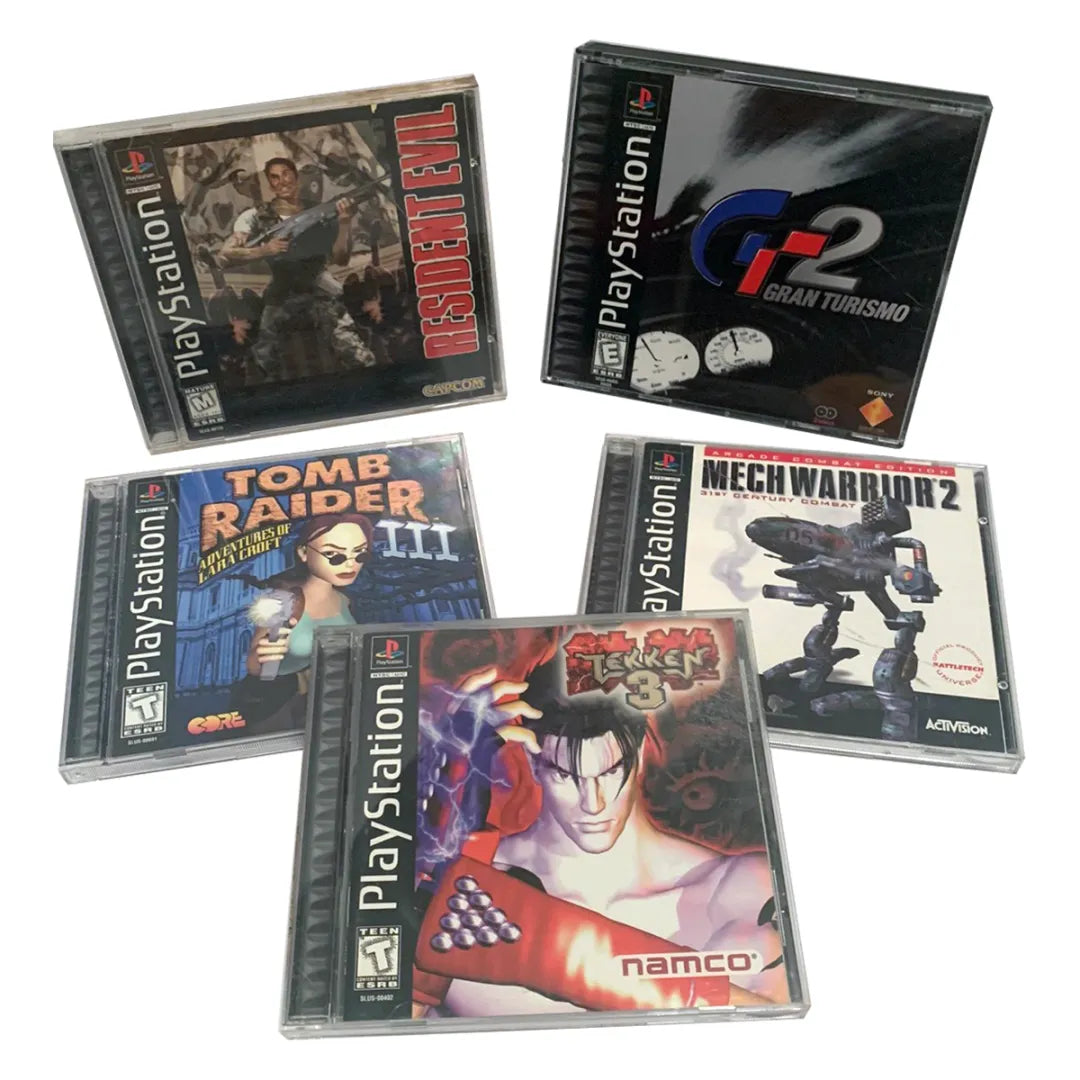
PlayStation 1 Games For Sale
PS1 Accessories PS1 Systems <Back To Collection
-
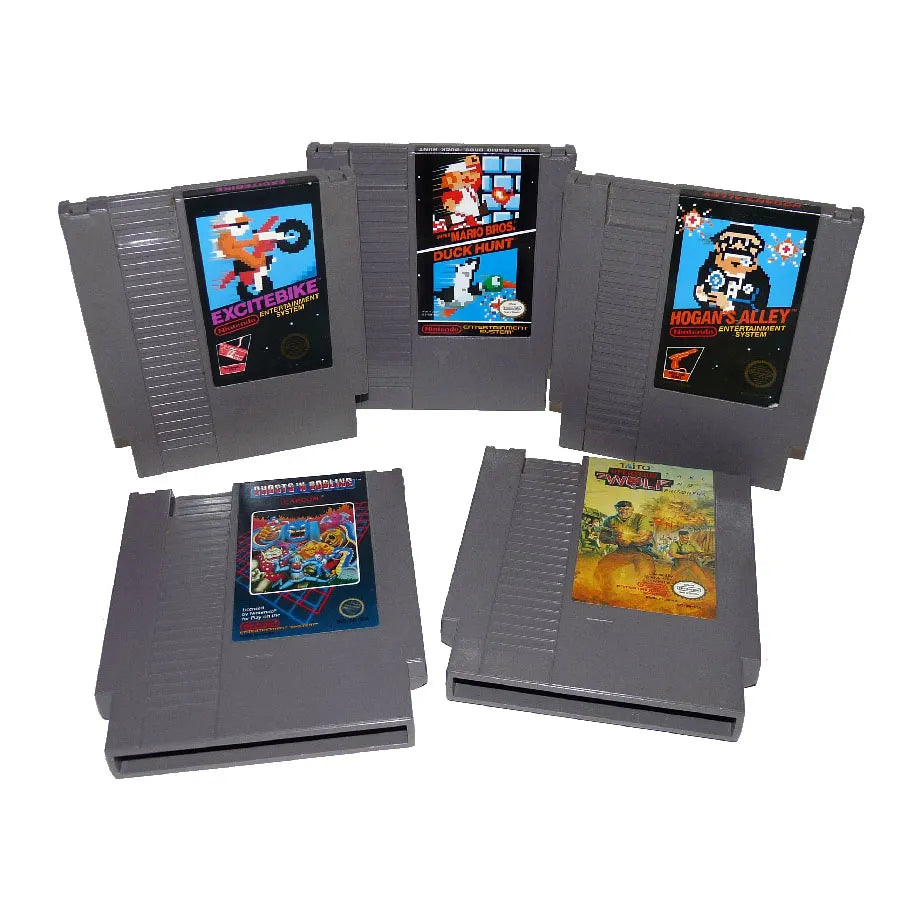
Nintendo NES Games For Sale
NES System NES Accessories <Back To Collection
-
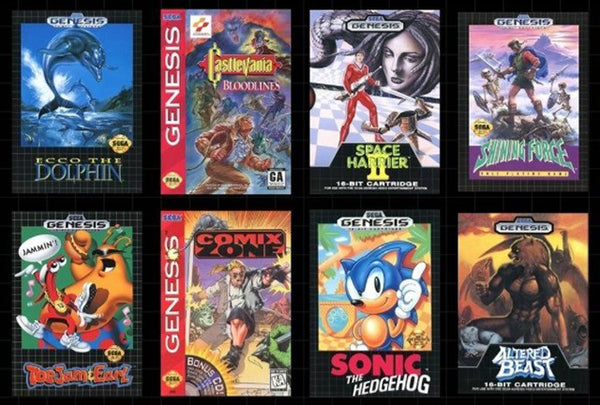
Sega Genesis Games
Genesis Consoles Genesis Accessories <Back To Collection
-
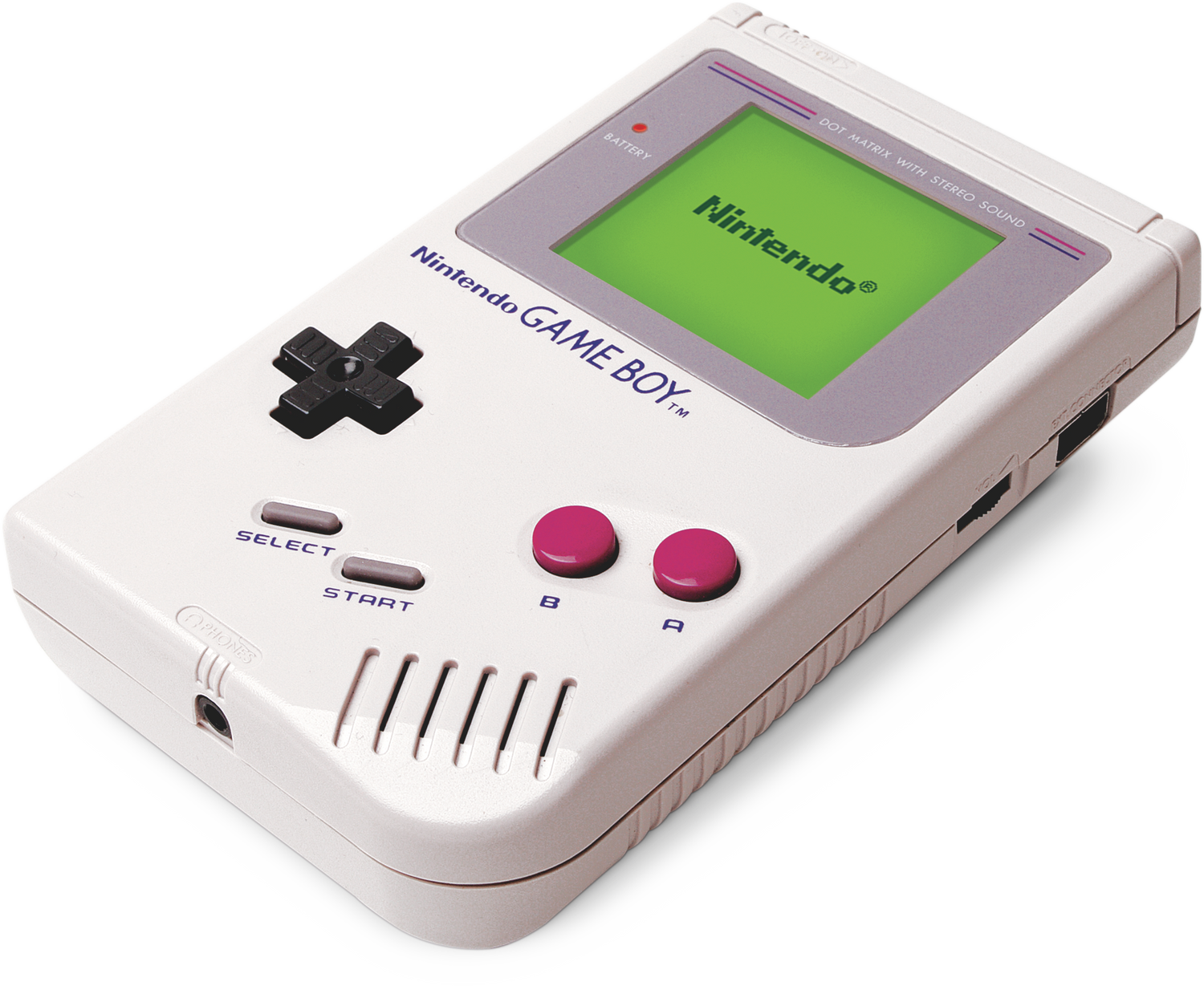
Gameboy Games & Systems
Used Nintendo Gameboy Games & Systems <Back To Collection
